A Flexible, Specialist Approach to Couples Counselling
Every couple comes with their own story, challenges, strengths, and hopes for the future.
That’s why I use a flexible approach, drawing on specialist couples counselling training, practical relationship tools, and years of experience to support you.
How I Bring My Training Together
In this short video, I explain the main couples therapy approaches I draw from, and how I bring them together to support each couple in a flexible, practical way.
About the Gottman Method of Couples Counselling

The Gottman Method Couples Therapy, developed by Drs. John and Julie Gottman, is a research-based approach focused on strengthening relationships and resolving conflicts.
Grounded in decades of scientific study, it emphasises fostering friendship, managing conflict constructively, and building shared meaning in relationships. The method involves assessment tools, interventions, and exercises designed to improve communication, deepen understanding, and enhance emotional connection between partners, ultimately aiming to promote long-term relationship satisfaction and resilience.
Jacqui has completed Levels 1, 2 and 3 of Gottman Method Couples Therapy training, as well as the Gottman Institute’s Treating Affairs and Trauma course.
“I use the Gottman’s comprehensive couples assessment tool when working with all new couples. It helps us all get clarity on the relationship dynamics at play, and it’s key for us to use our time wisely together.
And by identifying areas of strength as well as weaknesses, we can tailor our work together, so you can keep doing what’s working well, and also focus on where we need to, and get the improvements in your relationship sooner.”
About Relational Life Therapy - Terry Real

Terry Real is known for his innovative approaches to couples therapy and relational healing.
Terry created Relational Life Therapy and it’s designed to transform relationships by addressing underlying patterns of power, with a focus on relational skills to improve intimacy, and communication. There is also a focus on trauma and self-esteem, and how that affects the relationship. The trauma work I find especially useful when helping couples navigate deep-seeded issues from the past.
RLT complements the Gottman Method with a direct and practical approach that many couples find clear, relatable and easy to apply.
RLT has an emphasis on dismantling defensive postures, and building emotional honesty, while promoting accountability within the relationship. Through relational insights and practical techniques, RLT helps empower individuals and couples to create a fulfilling relationship grounded in trust.
Terry has written many helpful books for couples and therapists as well.
Jacqui has completed Levels 1, 2 and 3 of Relational Life Therapy training, along with a range of advanced RLT courses focused on specific areas of couples work. These include Working with Infidelity, Working with Men and The Relational Brain.
“Including Terry’s approach in the work I do has been game changing for couples. From deep trauma-recovery work to communication tools like the ‘Feedback Wheel’, it’s a warm and effective approach that couples appreciate.”
“Terry’s training has been a great addition to my Gottman training, and I can adapt how I work, based on the couples needs.”
About Developmental Model of Couples Therapy
The Developmental Model of Couples Therapy, developed by Ellyn Bader and Peter Pearson, helps explain relationship challenges through each partner’s emotional maturity, differentiation, communication patterns, and stage of relationship development.
I find this model useful because it gives couples another way to understand where they are, why certain patterns keep appearing, and what each person may need in order to grow.
While I now draw most heavily on Gottman Method Couples Therapy, Relational Life Therapy, and my own relationship resources, this training remains an important foundation in my work. It helps me understand a couple’s dynamic more deeply and support partners to build empathy for where each person is at.
About Emotionally Focused Therapy (EFT) for Couples
Emotionally Focused Couples Therapy, or EFT for couples as it’s often referred to is a couples counselling approach developed by Dr Sue Johnson in the 80’s.
It’s based on attachment theory and helps couples understand the emotional patterns that can sit underneath conflict, disconnection, and distress.
Emotional awareness is an important part of my work with couples. When couples can better understand and name what they’re feeling, they are more able to express their needs, reduce defensiveness, and respond to each other with greater empathy.
To support this, I developed and use my interactive Emotions Explorer with clients. It’s based on the emotional language explored in Brené Brown’s Atlas of the Heart, and helps couples broaden their emotional vocabulary in a simple way. They can more easily recognise their emotions or ‘places they go’ – spot negative patterns, and begin to reconnect with each in a more meaningful, compassionate way.
I find this emotional focus sits naturally alongside other frameworks I use, including Relational Life Therapy, Gottman, and my own values-based frameworks.
Jacqui's Therapeutic Frameworks & Resources
1. Smooth Conversations
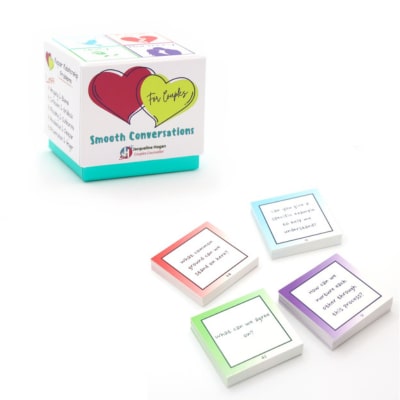
Watch and listen how I blend Gottman and RLT with Smooth Conversations, our communication cards, to help you have calm, respectful conversations, feel heard, understood and promote unity and harmony in your relationship.
2. Life Values
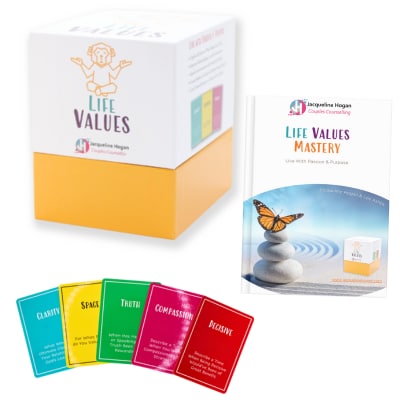
Our Life Values cards are particularly useful for couples in a number of ways.
- Identifying your personal core values, and having a conversation with your partner about them, allows you to feel heard and take in the ‘big picture view’.
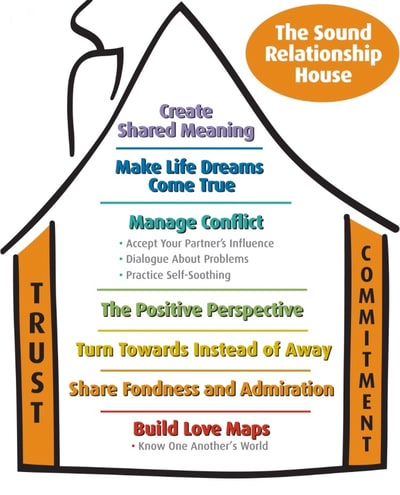
- Shared values are particularly helpful at starting the repair process, and building a solid foundation. See the Gottman’s Sound Relationship House, for an example of how Life Values underpins all the work we do.
3. Love Sparks - Relationship Affirmations
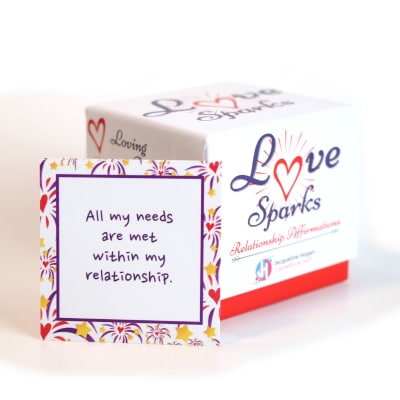
Love Sparks are our fun, unique, yet powerful relationship affirmation cards. They shift the needle on a daily basis, and create positive sentiment in your relationship. They help you open up, express your needs, and ‘show’ your love toward your partner.
They are an effective tool for ‘turning towards’ each other, and lowering defensiveness.
Couples use them on a daily basis to spark affection, fun, and even deeper conversations, especially when combined with our other resources.
Love Sparks cover 10 specific themes for healthy relationships, and it’s this depth, that helps build real relationship resilience.
4. Save My Marriage Program
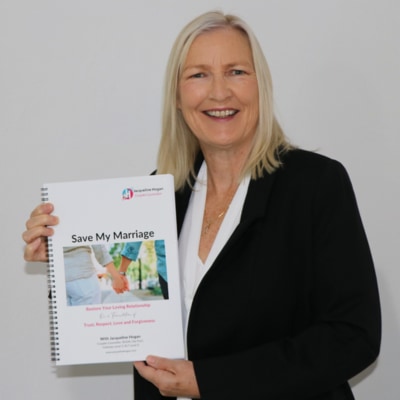
My Save My Marriage Program helps committed couples rebuild, reconnect, and heal – even after years of pain or betrayal.
Developed and continually refined since 2017, the program is now in its sixth version. It brings together counselling, structured resources and practical tools in a comprehensive relationship repair system designed to support meaningful, lasting change. Click here to learn more.
Jacqui's Empowering Resources for Couples
Get in Touch with Jacqui
Jacqui's Speciality Areas & Therapeutic Approaches
Couples Therapy for Infidelity & Betrayal
Infidelity and betrayal are breaches of trust within a relationship, causing immense emotional pain and upheaval. About a third of couples who see me, identify infidelity as their primary concern.
Couples grappling with infidelity are suffering from a range of emotions, including feeling hurt, angry, confused and heart-broken.
I rely on the quality structures within the Gottman Method and Relational Life Therapy (RLT) to help clients navigate their way through this difficult time. With the right approach affair recovery is possible.
Together we look at what lead to the infidelity, and the things that contributed to the breach of trust. It’s through understanding that we can strengthen the relationship, as part of what we do is about prevention and building resilience in your relationship.
Here, I use the Gottman’s Sound Relationship House theory, to help couples visualise all the parts that make up a happy and successful relationship.
RLT offers a compassionate yet direct approach to addressing infidelity and betrayal. And is particularly effective at ‘cutting through the bullshit’ that can sometimes surround infidelity.
RLT is also very effective at evaluating the power dynamics in a relationship, in a kind and respectful way.
I use the RLT framework for inner-child work, and find it very effective for the deep work needed, to help couples be vulnerable, open up, turn toward each other, and find forgiveness.
By integrating my own resources, including Life Values and Smooth Conversations, with established approaches such as the Gottman Method and Relational Life Therapy, I have developed a robust framework for helping couples work through infidelity and betrayal.
My Save My Marriage program brings these elements together in a structured and comprehensive way for relationship repair, helping couples rebuild trust, respect, love, and where possible, find forgiveness.
If you’re dealing with the pain of infidelity, betrayal, or broken trust, download my free eBook ‘Mending Hearts’. Inside, discover clear and compassionate steps for affair recovery – how to rebuild trust, heal from the hurt, and make sense of what you’re feeling.

Communication Breakdown in Relationships
Poor communication, arguments and conflict in relationships are primary signs of misunderstanding and emotional distance. Left unchecked, your relationship is likely to suffer, and drift further apart.
Therapeutic approaches like Gottman Method and RLT help you pinpoint problem areas restore healthy communication in your relationship.
I also use our Smooth Conversations cards, and shared values exercises to help create a stronger connection, and have delicate conversations on sensitive topics.
It’s also important to consider your self-awareness, and how you manage your emotions, so you can lower your defensiveness, practice self-soothing and feel comfortable, talking through sensitive topics.
I use the Gottman Method’s evidence-based interventions like the ‘Dreams Within Conflict’ technique and ‘Aftermath of a Fight’ extensively to facilitate discussion.
For my couples who respond well to RLT style therapies, the Feedback Wheel is a great go-to resource for talking through a complaint or lingering problem in the relationship.
Terry’s work on ‘relational mindfulness’, I find ground breaking, and he has a particular knack for distilling complex ideas down into short phrases and easy to understand bullet points, and diagrams.
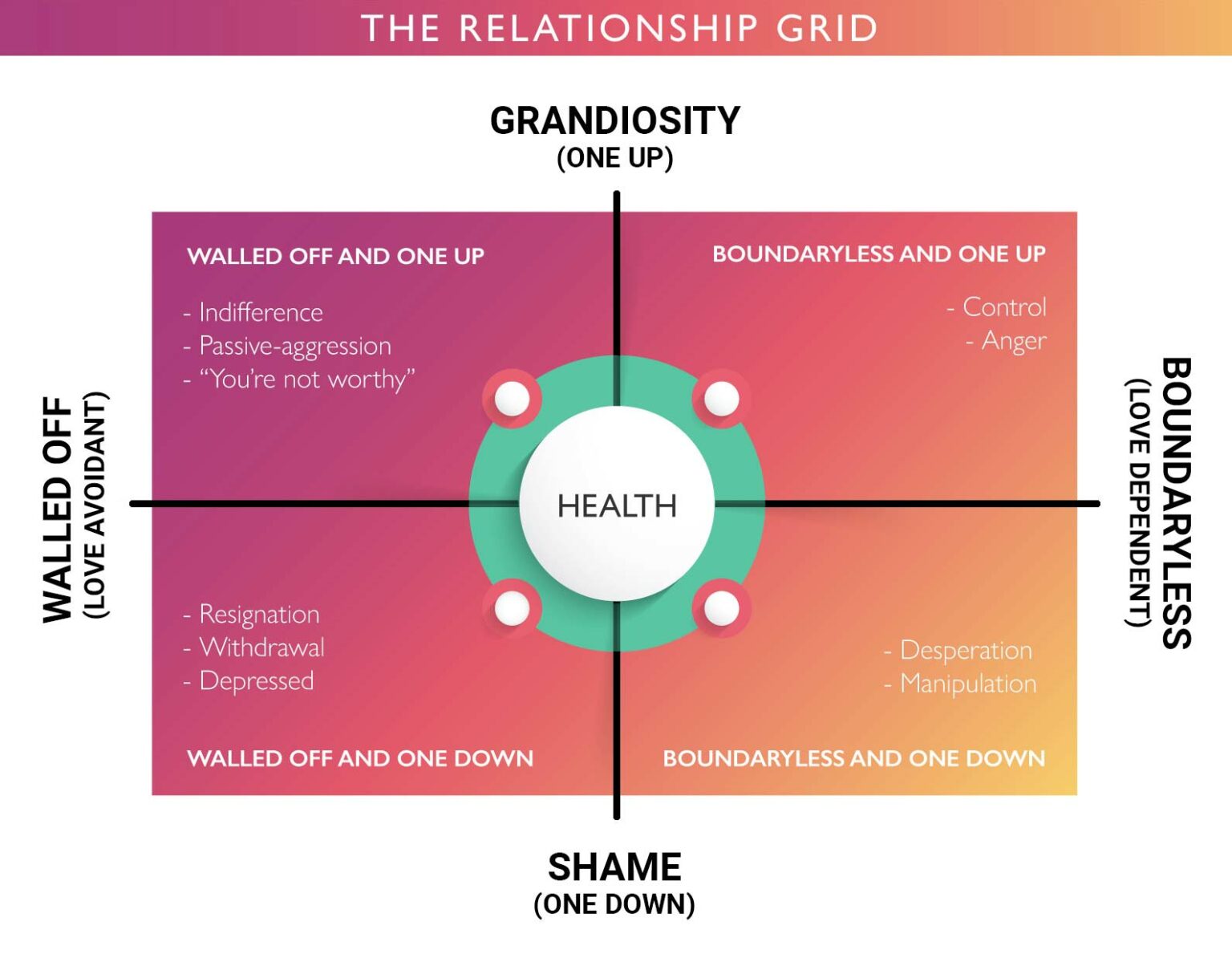
The diagrams and easy-to-grasp concepts make it easy for my clients to understand what’s going on in their relationship and make a call as to what to change. For example, the ‘Relationship Grid’ that explores grandiosity & shame is particularly powerful.

Trauma Patterns Affecting Couples & Healthy Relationships
Childhood trauma or past trauma can impact on a couples current relationship.
The trauma influences patterns of behaviour, communication styles, and emotional dynamics, like avoidance, withdrawal, or angry outbursts for example.
Both Gottman and RLT recognise the effects of trauma on couples’ relationships.
I see unresolved trauma showing up in my clients lives, affecting the quality of their relationships. From difficulty trusting, fears around feeling vulnerable, and distancing from intimacy and connection for example.
The low levels of trust, and lack-lustre emotional connection between partners needs to be addressed, or the needs of the relationship will never be met.
EFT, RLT and other compassionate therapies are helpful in guiding couples through sensitive and difficult situations, towards healing and closer relationships.
Our Love Sparks cards help couples make a ‘bid for connection’ and create positive sentiment in the relationship. At the same time they educate couples, and introduce them to a deeper vocabulary to express their feelings.
Likewise, my special module on Self-compassion in our members area is specifically designed to usher in a new sense of self-worth to help clients feel valued in the relationship.

Mental Health for Loving Relationships
Mental health concerns such as anxiety and depression can place significant strain on a relationship. Our own client data shows that 44% of couples seeking support report that one or both partners have experienced current or past mental health concerns.
Mental health issues influence communication, emotional intimacy, and the overall quality of the relationship.
Left unmanaged, depression, anxiety, or trauma can increase the severity of arguments and conflict.
It’s important to note that mental health, takes it’s toll on both partners of the relationship, and is additional pressure on the relationship, compounding other problems present.
Both the Gottman’s and RLT emphasise the importance of addressing mental health related issues before or alongside marriage counselling.
Creating a supportive environment with open communication, and ’emotional attunement’ is particularly important so couples can talk-through and navigate these challenges together. It’s all about supporting each other, something that individual counselling or group therapy for example, might miss.
RLT I find particularly helpful for evaluating when to have Couples Counselling, and when to seek individual therapy.
I include holistic wellness in the way I work to promote healthy minds and bodies for healthy relationships.
Being open to all the therapeutic interventions for mental health in context of the relationship, allows couples to develop a fresh understanding of each other, and be there to support each other, as they develop a more resilient and loving relationship.